
From Patterns to Meaning: Science of Reading in 3–5
Power Spelling supports Science of Reading instruction in grades 3–5 by reinforcing advanced phonics, word study, and vocabulary development through structured spelling practice.

Patterns
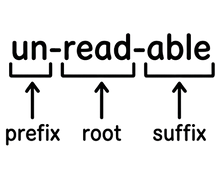
Structure

Meaning

Spelling’s Role in the Science of Reading
In grades 3–5, Science of Reading instruction continues to build phonics skills while expanding into more complex word structures. Students learn to analyze words using prefixes, suffixes, roots, and spelling patterns to read and spell increasingly challenging text. Vocabulary instruction becomes more tightly connected to comprehension as students read to learn across content areas. Spelling plays a critical role by strengthening word knowledge, supporting fluent reading, and reinforcing meaning through repeated, purposeful practice.
How Power Spelling Supports Core SoR Components
🔤 Advanced Phonics & Word Study
-
Reinforces complex spelling patterns
-
Practice with multisyllabic words and spelling generalizations
-
Aligned to grade-level phonics instruction
🧠 Orthographic Mapping & Automaticity
-
Strengthens stored word knowledge
-
Supports accurate, fluent reading
-
Builds confidence through repeated practice
📚 Vocabulary Development & Comprehension
-
Builds academic and content-area vocabulary
-
Deepens understanding of word meaning and nuance
-
Connects spelling to reading comprehension and writing
The core SoR components refer to the key instructional areas identified by the Science of Reading as critical for literacy development, including phonemic awareness, phonics, fluency, vocabulary, and comprehension. Effective instruction intentionally strengthens these areas together, with spelling serving as a bridge that supports both reading and writing.
Spelling as the Bridge Between Reading and Writing
The Science of Reading identifies phonics, fluency, vocabulary, and comprehension as essential components of literacy. In grades 3–5, spelling strengthens all four by reinforcing word structure and meaning. As students spell complex words, they deepen their understanding of how words work, supporting decoding, fluent reading, and precise writing across subjects.
🔗 Connects sounds, letters, and meaning
📖 Supports decoding and reading fluency
✏️ Strengthens writing accuracy and confidence
🧠 Builds long-term word recognition
What This Looks Like in Grades 3–5
In grades 3–5, students use Power Spelling to practice advanced spelling patterns, multisyllabic words, and academic vocabulary aligned to instruction. As students encode words through spelling, they reinforce decoding skills, strengthen orthographic mapping, and deepen vocabulary knowledge. This consistent, meaningful practice supports reading comprehension and written expression without adding instructional complexity or extra prep for teachers.